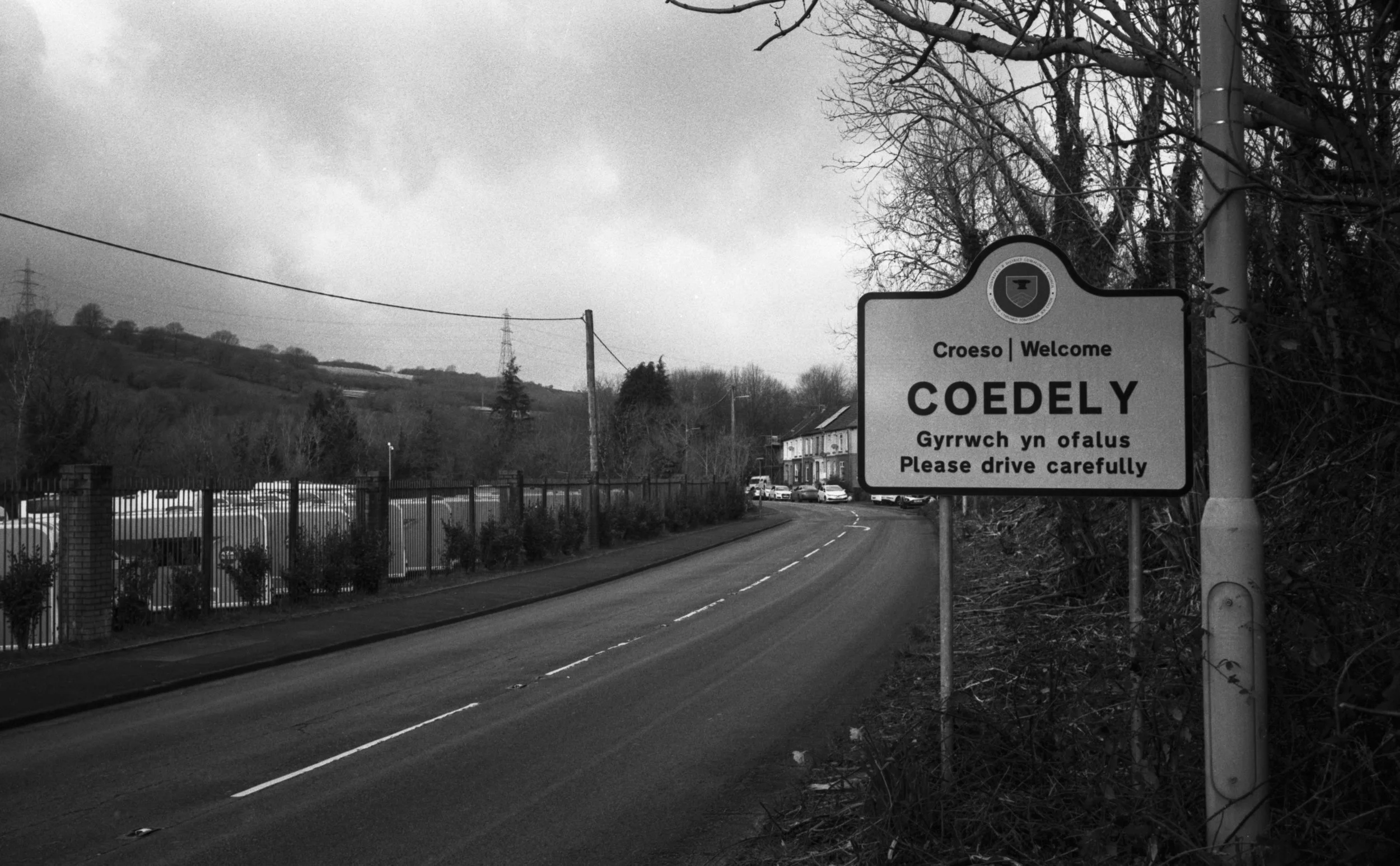
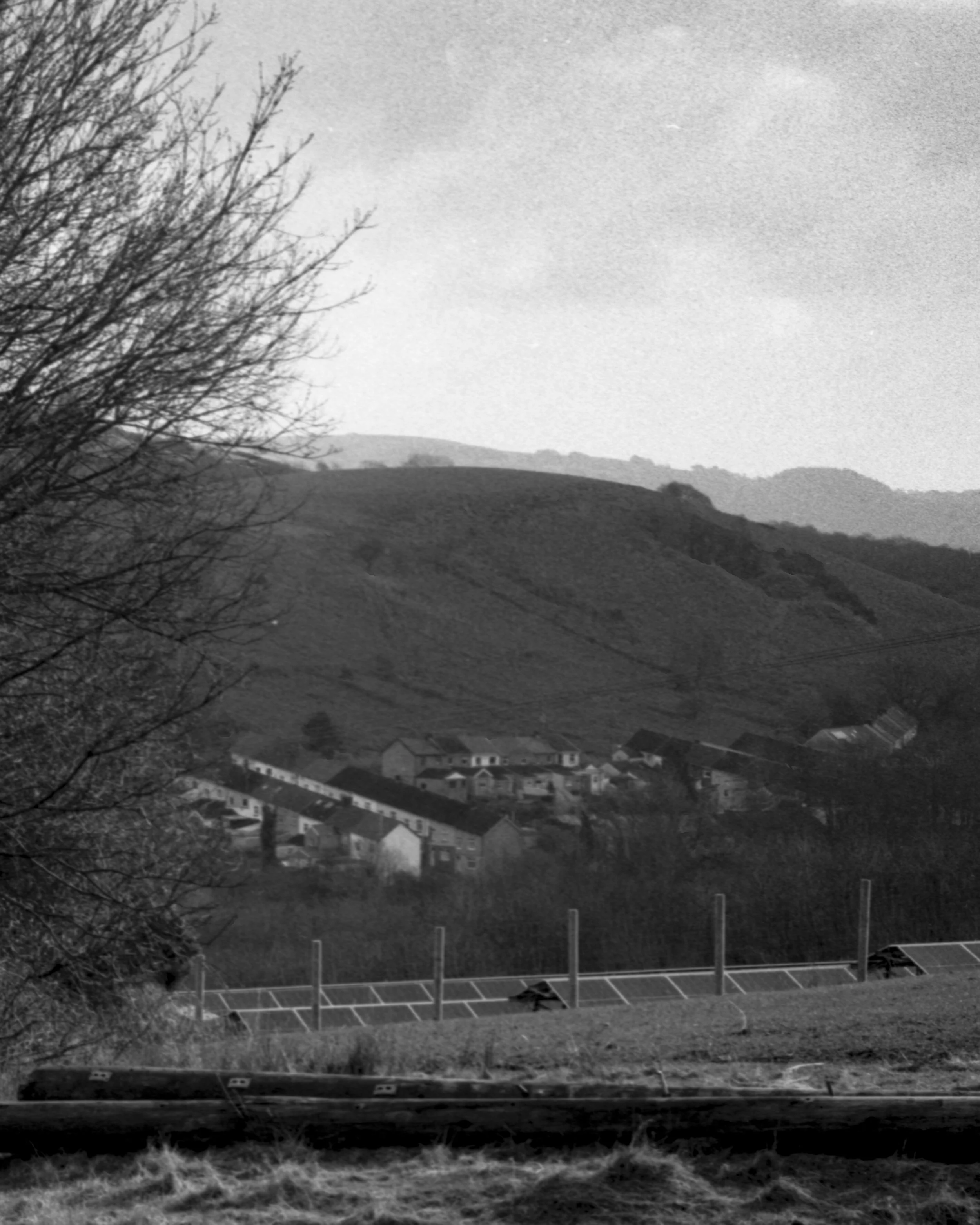
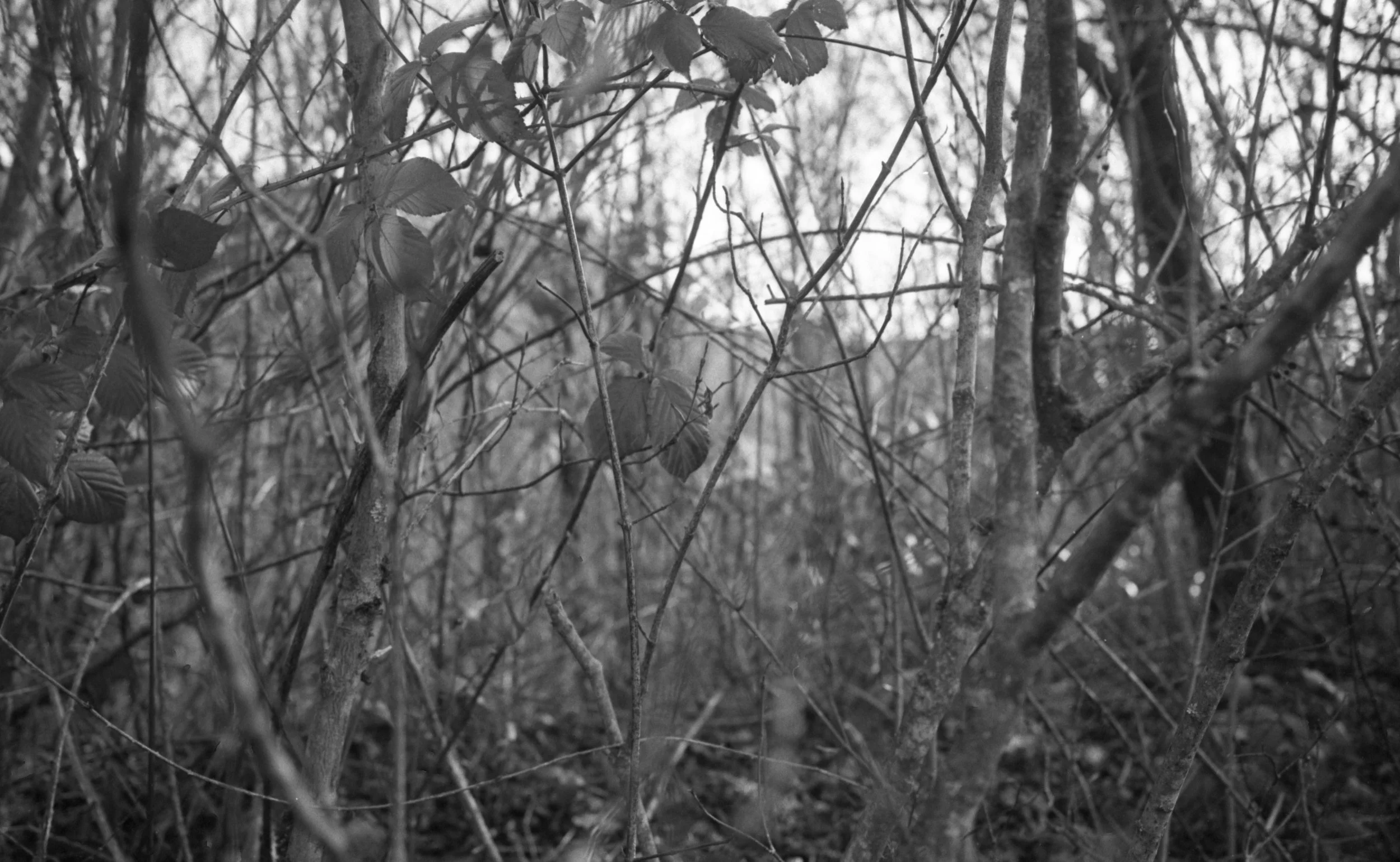
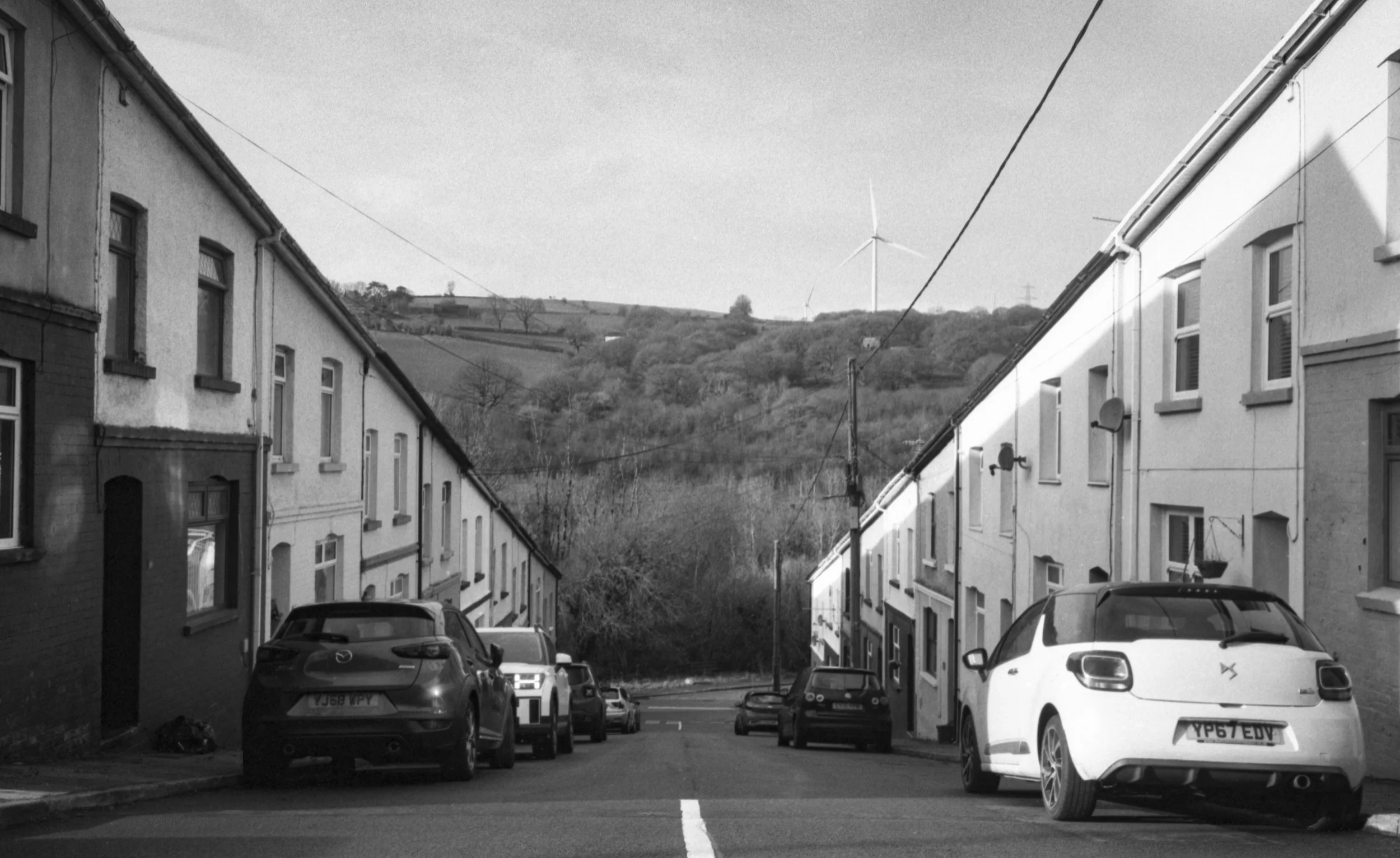
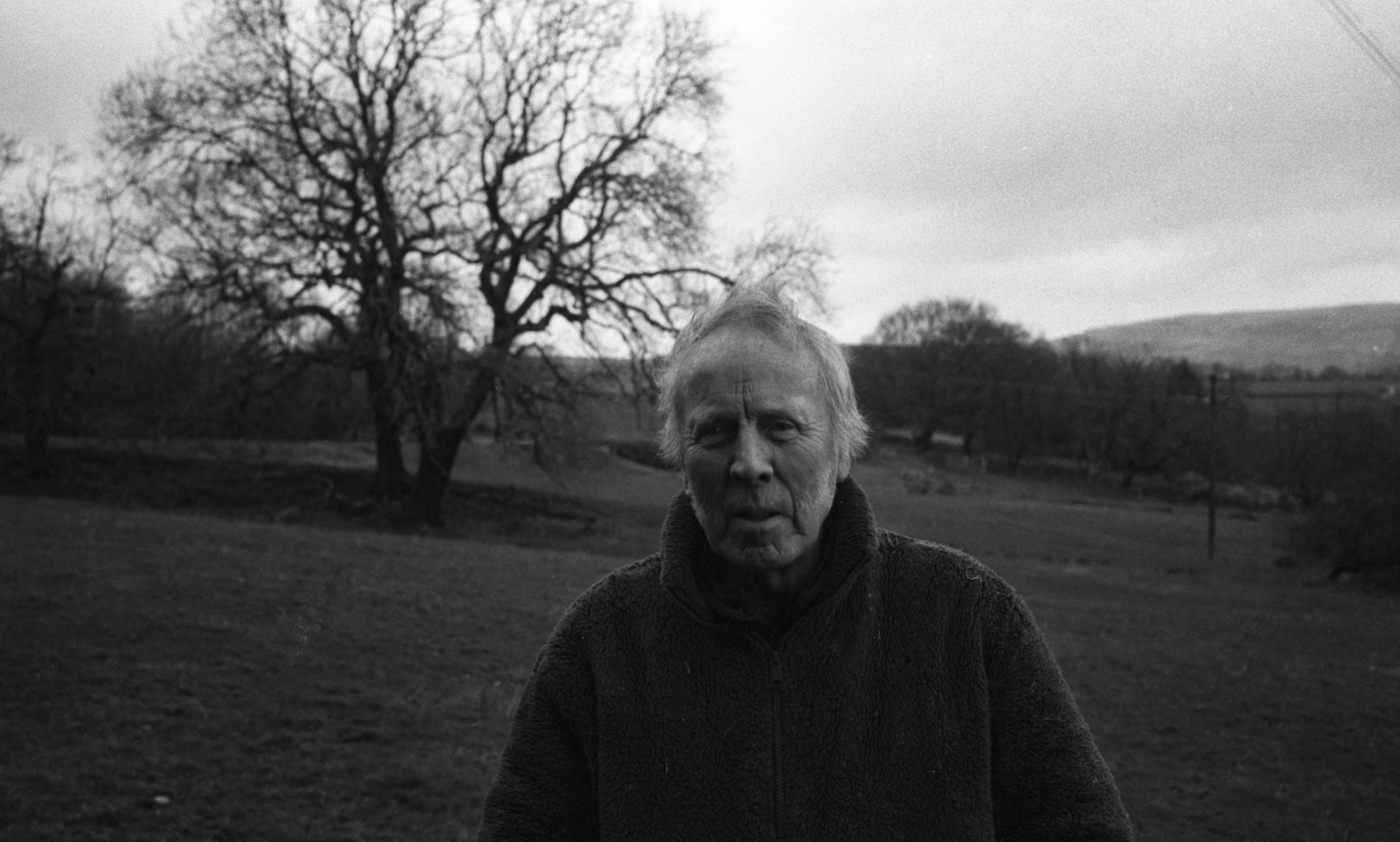
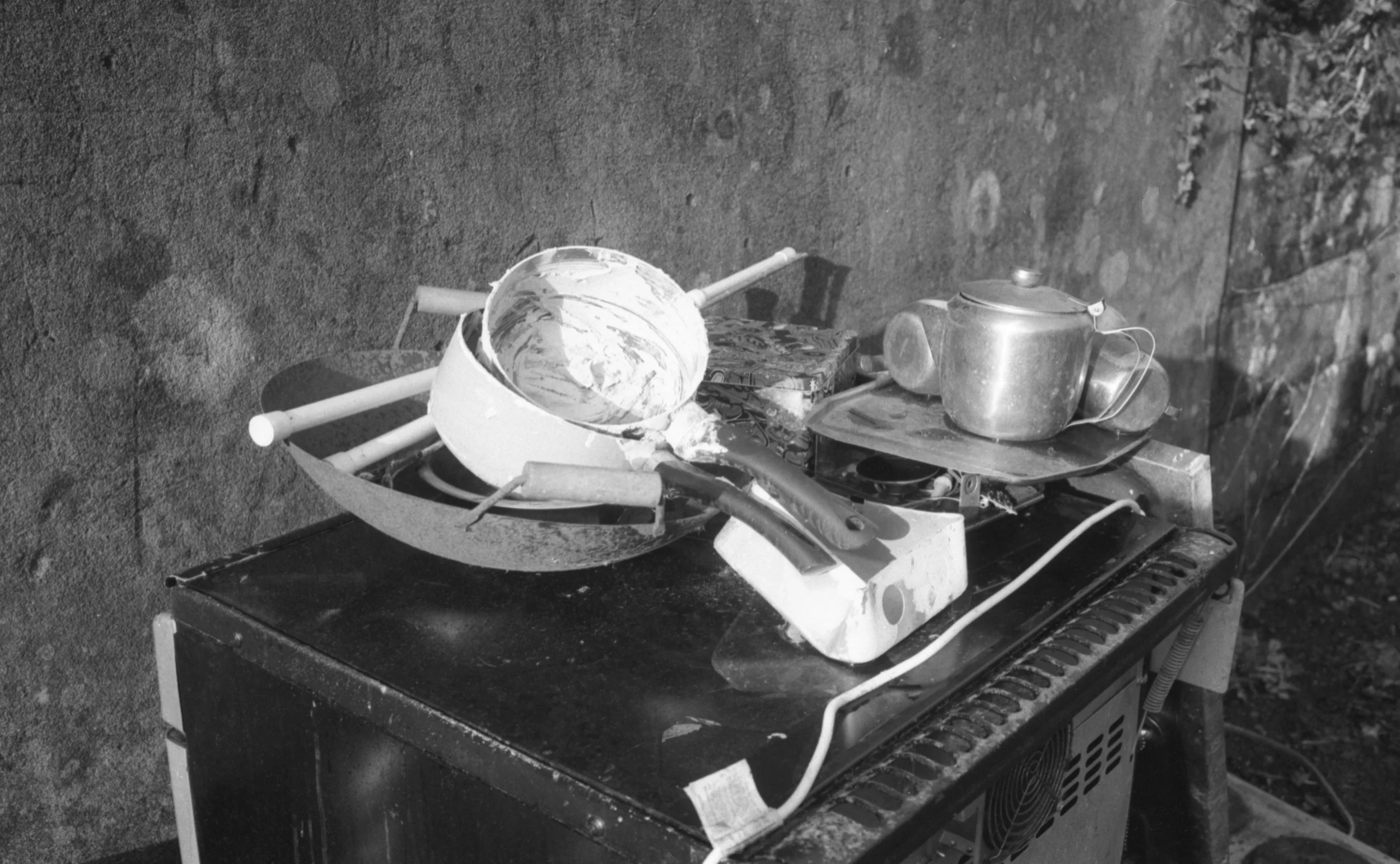
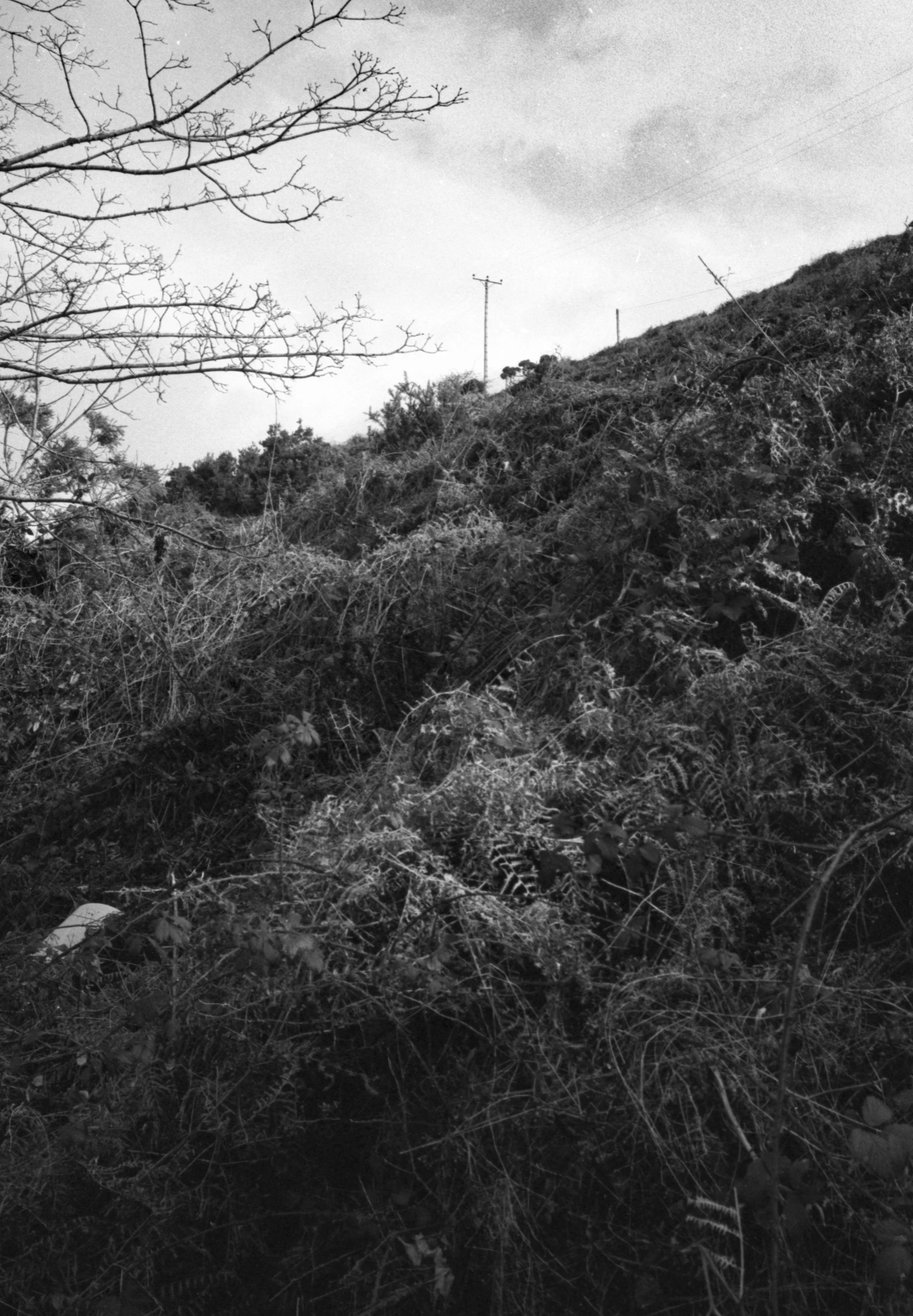
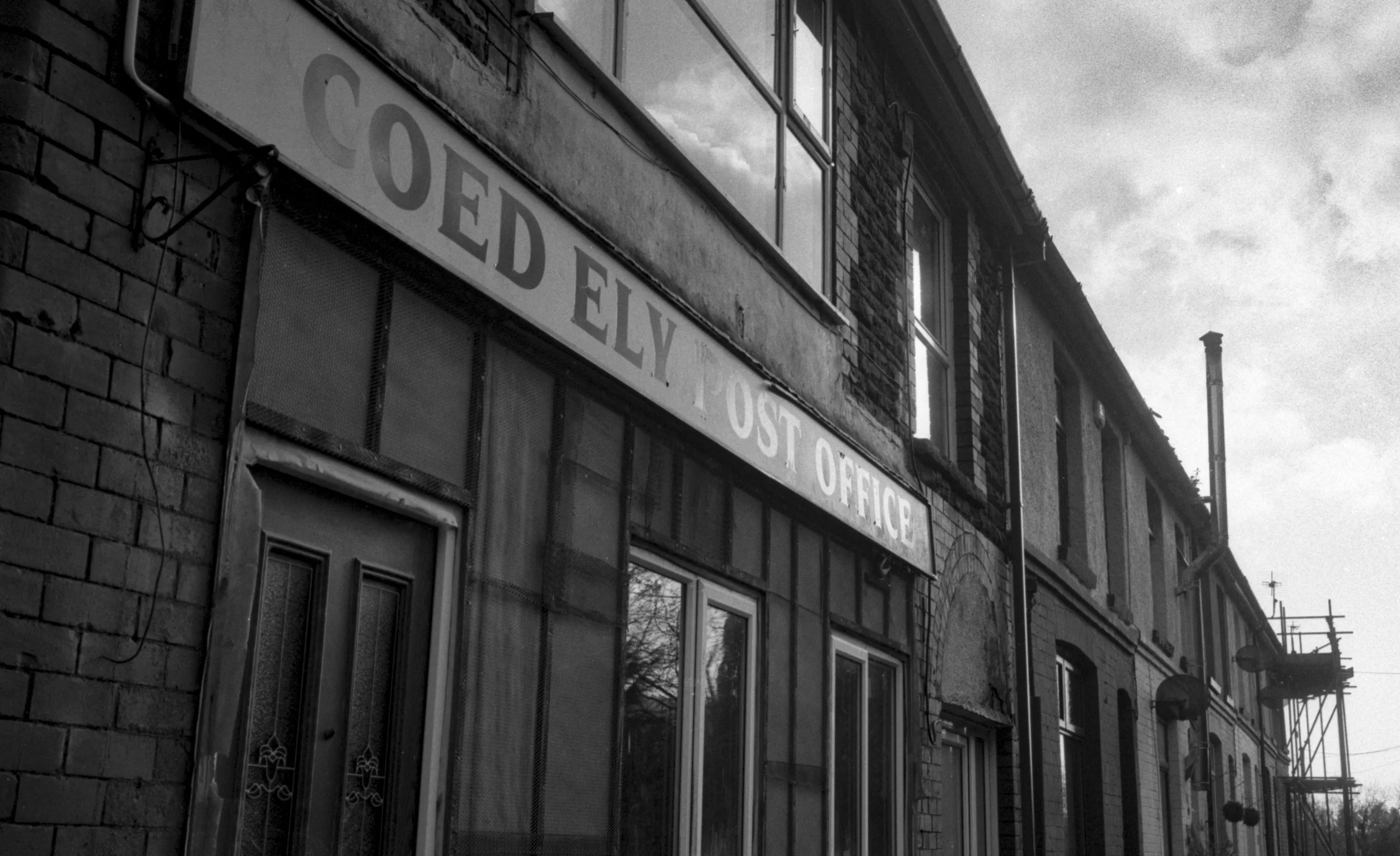
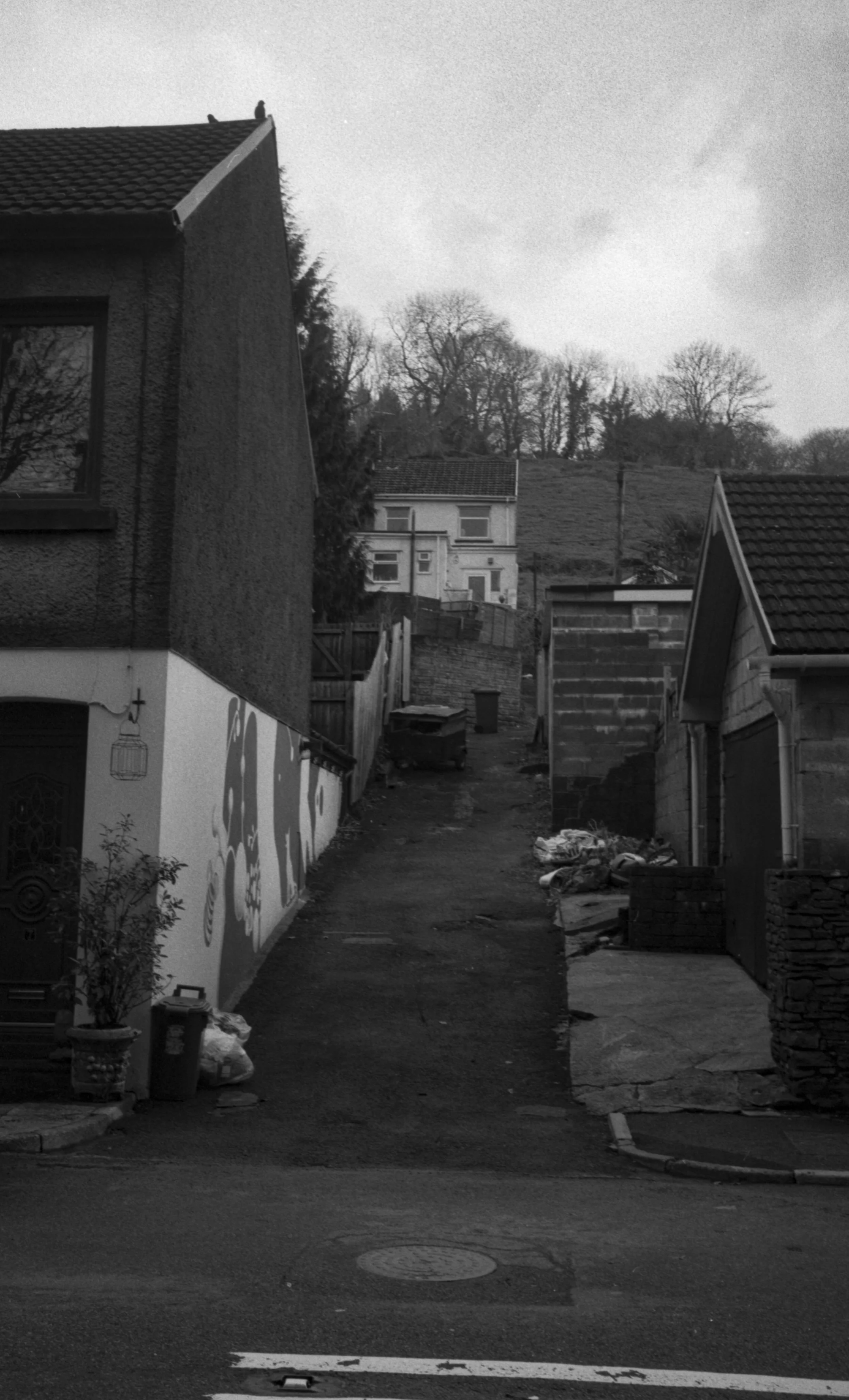
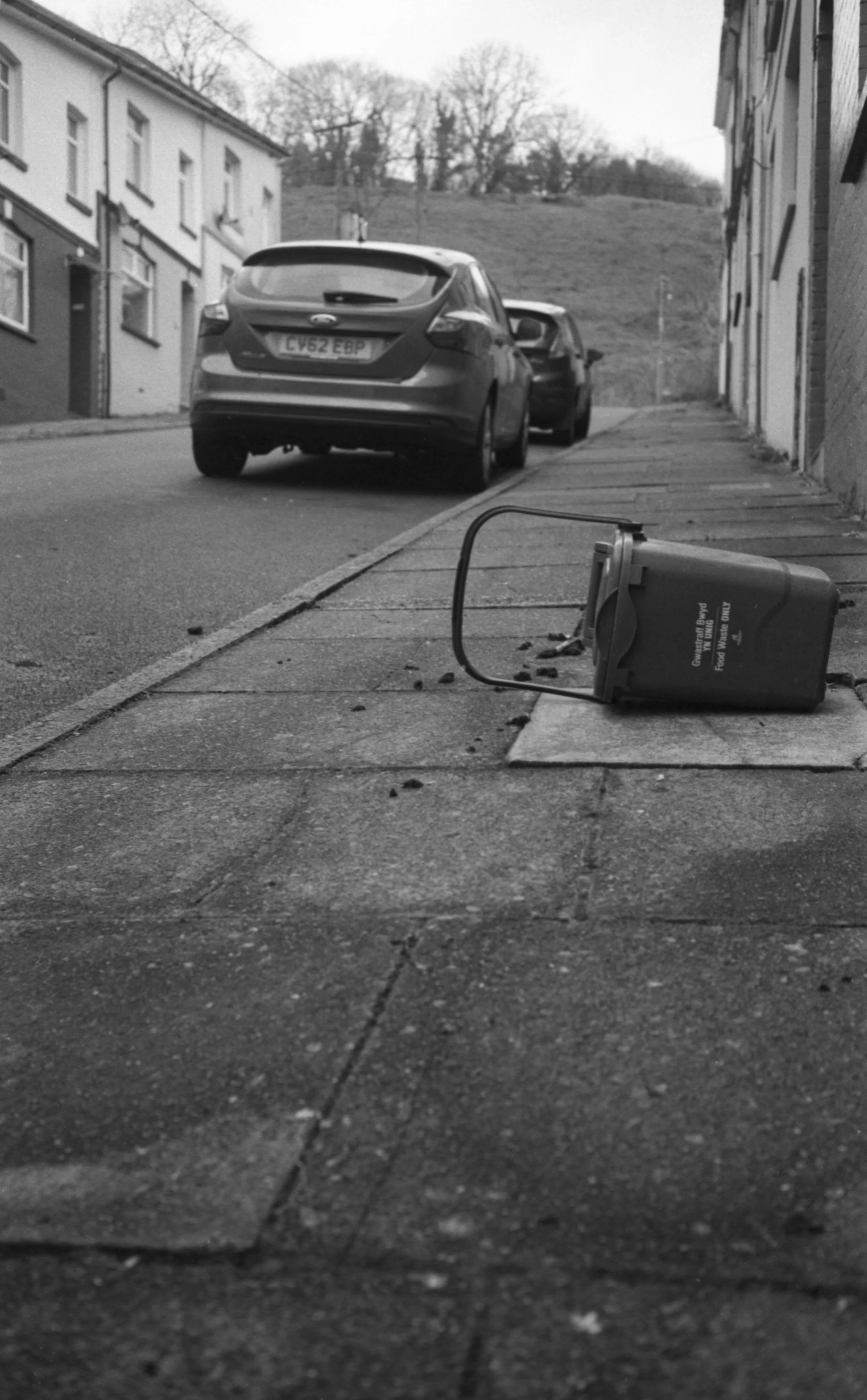
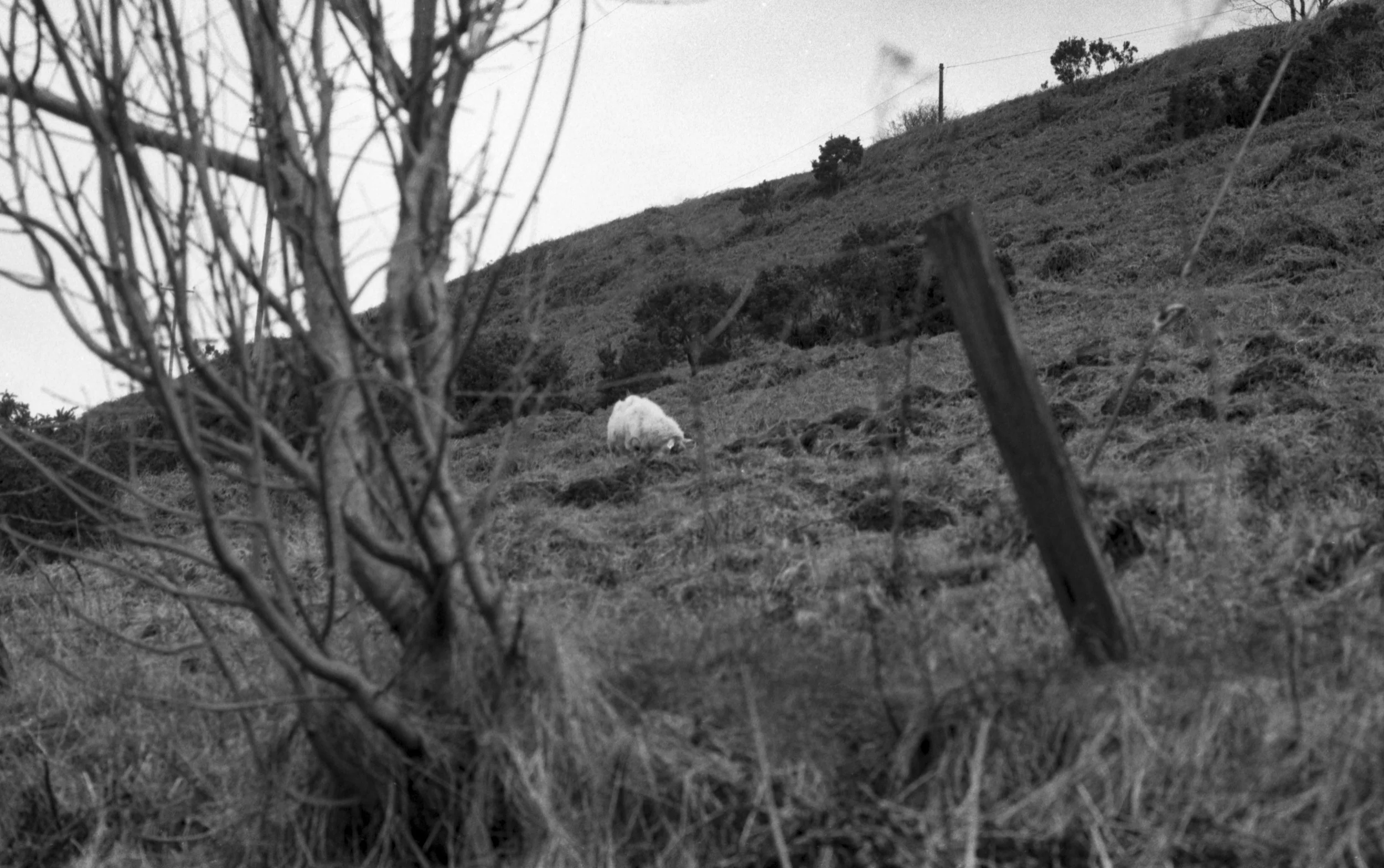
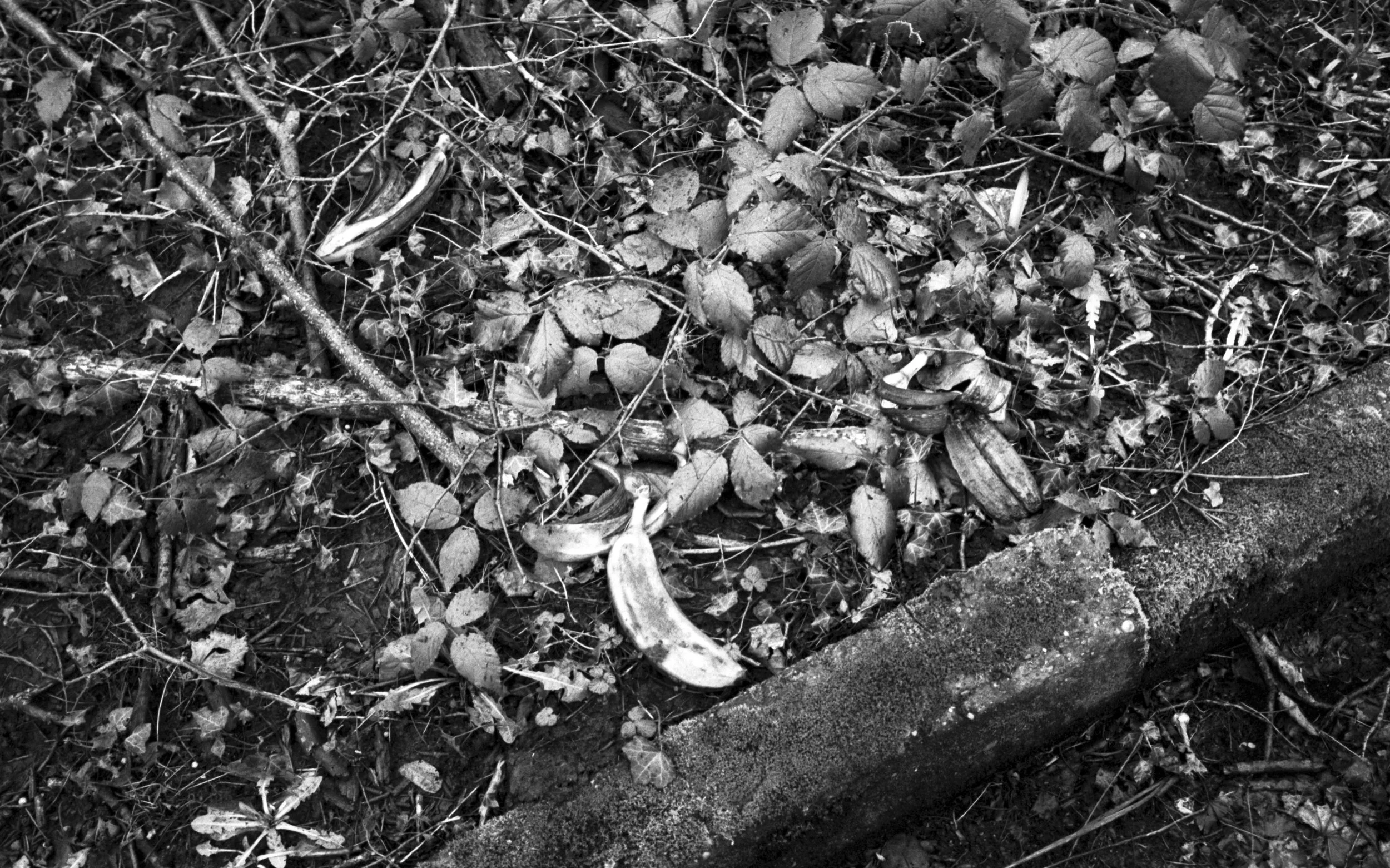
Seventy-six years ago, W. Eugene Smith visited Wales and made one of the most iconic photographs of that industrial time — perhaps one of the most iconic photographs of Wales ever. His brief work in the Rhondda Valley helped shape not only how the region was seen internationally, but also how photography could convey labour, community, and atmosphere.
This trip was a homage to my biggest visual influence. The intention was not to recreate imagery, but to engage with the idea of photographic memory within the landscape — to walk into a place already dense with visual history and respond through a historically informed working method.
Working Method
The technical choices were made to align closely with Smith’s workflow of the period. Elements of that approach are well documented, particularly in Paul Cabot’s Creative Photography in Wales and Ralph Gibson’s Darkroom (Lustrum Press, 1977). Film stock, developer, and lens focal lengths were selected as deliberate constraints — a structure through which to look more carefully and work with greater intention.
Camera: Voigtländer Bessa R2
Lenses: Zeiss ZM 35mm f/2.8 & 85mm f/4
Film: Kodak Double-X (from This Is How I Roll Film)
Developer: Kodak D-76
By reducing variables, emphasis shifts toward timing, light, gesture, and spatial relationships. The discipline of limitation becomes a way of refining attention.
Landscape & Memory
Photographing Coed Ely involves navigating multiple layers:
The lived present
The industrial and social past
The accumulated image-history of the Valleys
Photographs made here inevitably exist in dialogue with earlier representations. The Valleys are not visually neutral terrain; they carry decades of interpretation, symbolism, and expectation.
Darkroom Practice
Negatives were processed using the Vintage Visual AGO and printed on Bergger Prestige Warmtone FB. Printing became central to the project — an exploration of tonal interpretation and how contrast, density, and local adjustments influence the emotional register of an image. The darkroom functions as a space of translation rather than completion.
References & Threads
Key influences informing this work include:
Paul Cabot — Creative Photography in Wales
Ralph Gibson — Darkroom (Lustrum Press, 1977)
BBC — The Lost Images of Eugene Smith
Sam Stephenson — Gene Smith’s Sink
Film release:
Available Now from:
https://youtu.be/8lDEvsVmTU8?si=kgGK5nfm6_cLIzc-
Coed Ely remains both place and conversation — between past and present, process and perception, history and the act of looking.